


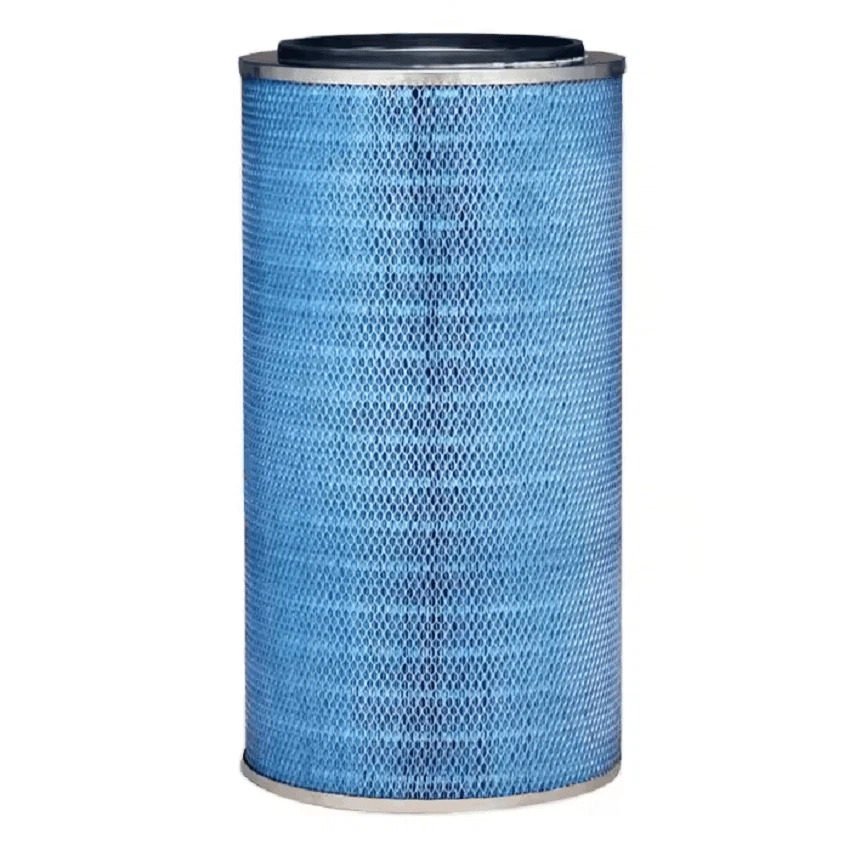
Why Some Systems Use Cartridge Instead of Flat Filters
In equipment-based air systems, filter shape is often determined by how the unit is designed, rather than by filtration requirements alone.
In many compact devices, using a flat filter is not practical because:
Our Service
We are looking for a cooperative partner to expand our business.
internal space is limited
airflow needs to be guided through a controlled path
filter replacement must be quick and repeatable
As a result, cylindrical cartridges are used as part of the system structure, not just as a filtration component.
How Cartridge Design Works Within EquipmentProduct Features
This creates a radial airflow pattern, which allows the system to:
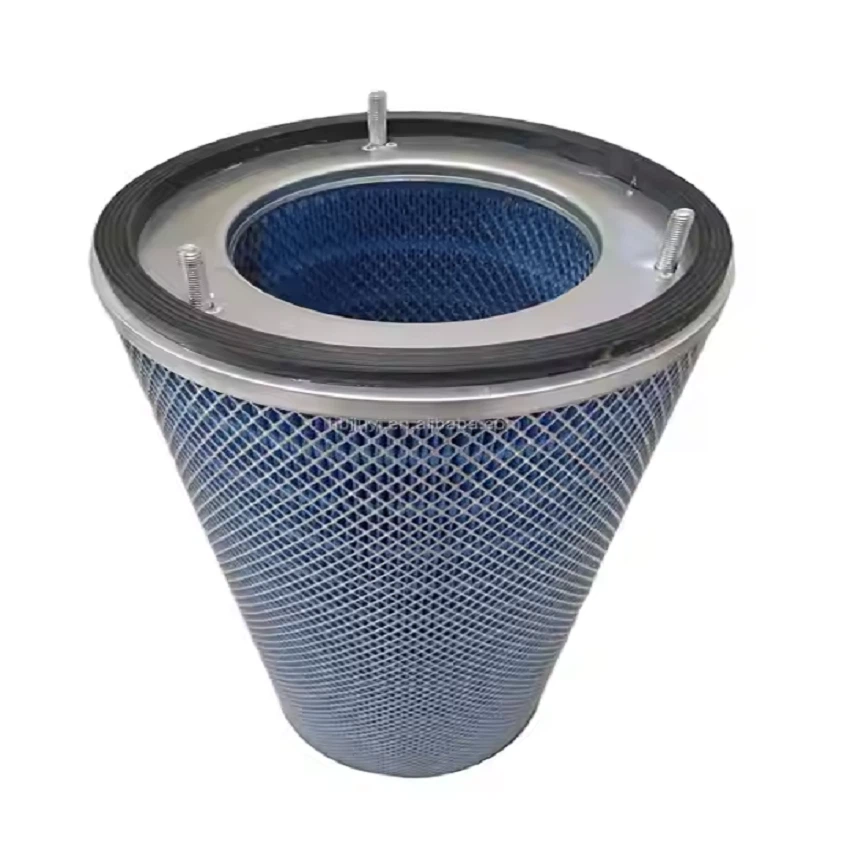
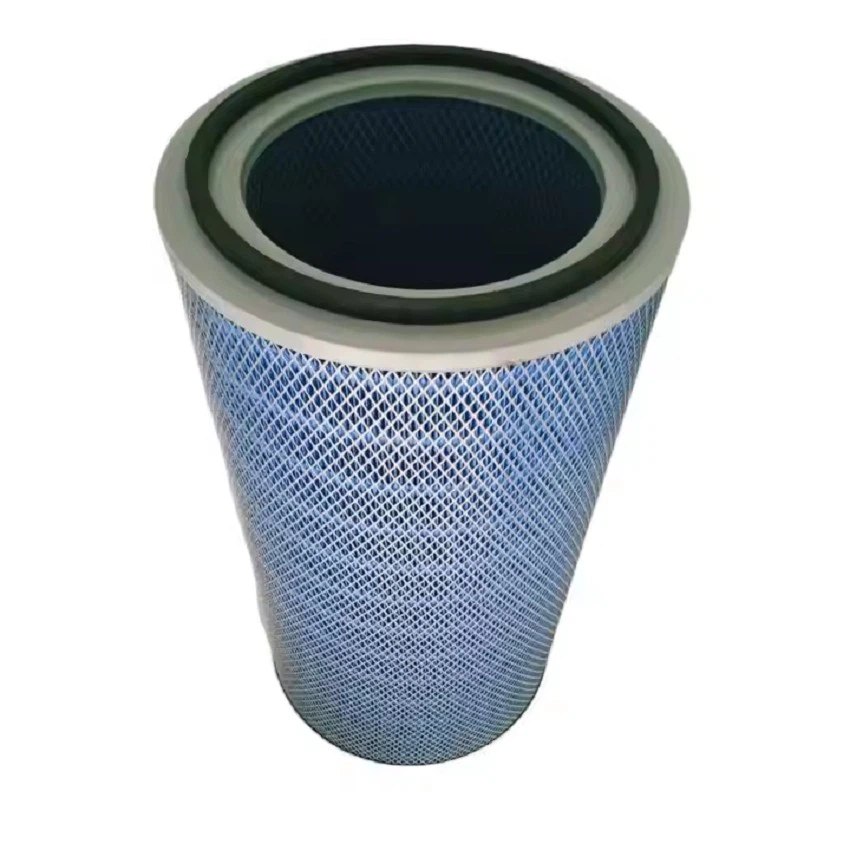
Unlike flat filters that rely on surface area across a panel, a round cartridge works as part of a controlled airflow path.
Air is typically:
•drawn evenly across the outer surface
•directed toward the inner core
•discharged through a fixed outlet
This creates a radial airflow pattern, which allows the system to:
•maintain consistent airflow direction
•reduce dead zones inside the unit
•simplify internal airflow management
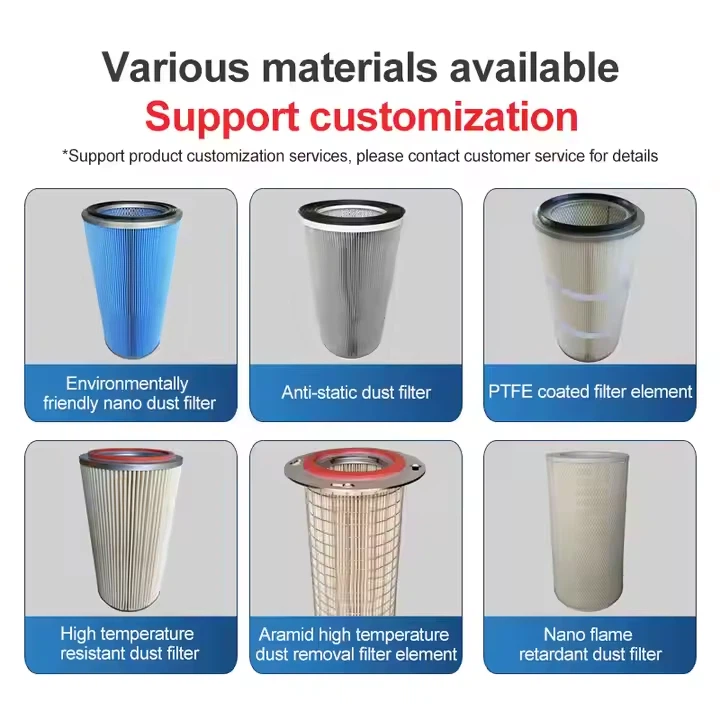
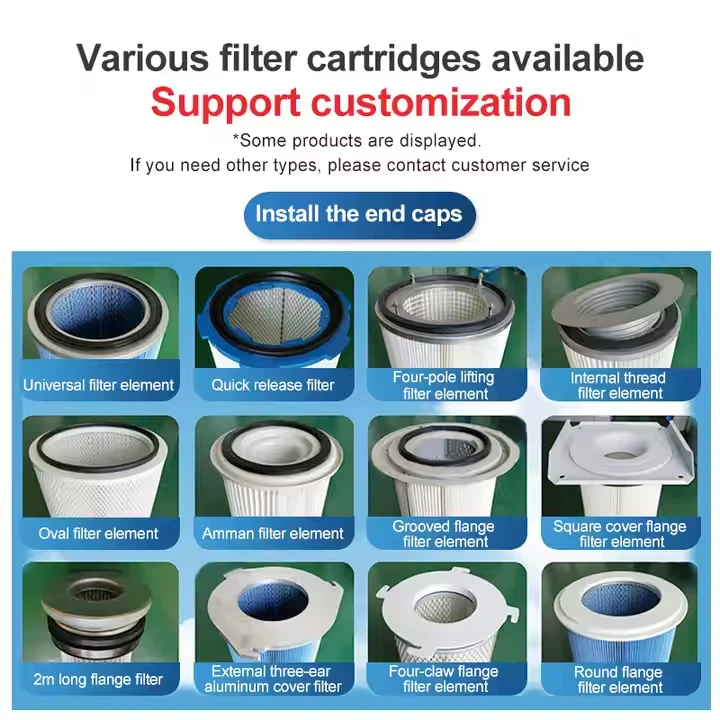
Why Matching the Cartridge Matters More Than Specification
In these systems, performance depends less on general filter specifications and more on how well the cartridge matches the equipment.
In real projects, problems usually occur when:
•replacement filters do not match the original dimensions
•sealing structure is slightly different
•airflow resistance changes unexpectedly
installation is not properly aligned
👉 Even small mismatches can affect how the entire unit performs.
Replacement Logic in Cartridge-Based Systems
Unlike standard filters used in larger systems, cartridge filters are designed to be replaced as part of normal operation.
This creates a different decision process for buyers.
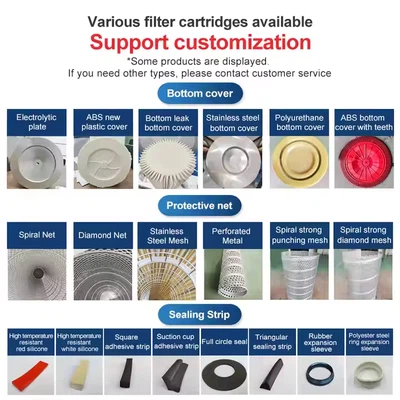
Replacement Requirement Solution
OEM Replacement Requirement
Many users are not selecting a new filter type - they are trying to replace an existing one.
Typical needs include:
matching diameter and height
fitting into the same housing without modification
maintaining similar airflow characteristics
Like-for-Like Replacement Approach
Instead of redesigning the system, users prefer a cartridge that:
fits exactly into the original slot
maintains system balance
does not require adjustment after installation
👉 This is why replacement compatibility is often more important than theoretical performance data.
Where This Type of Filter Is Typically Used
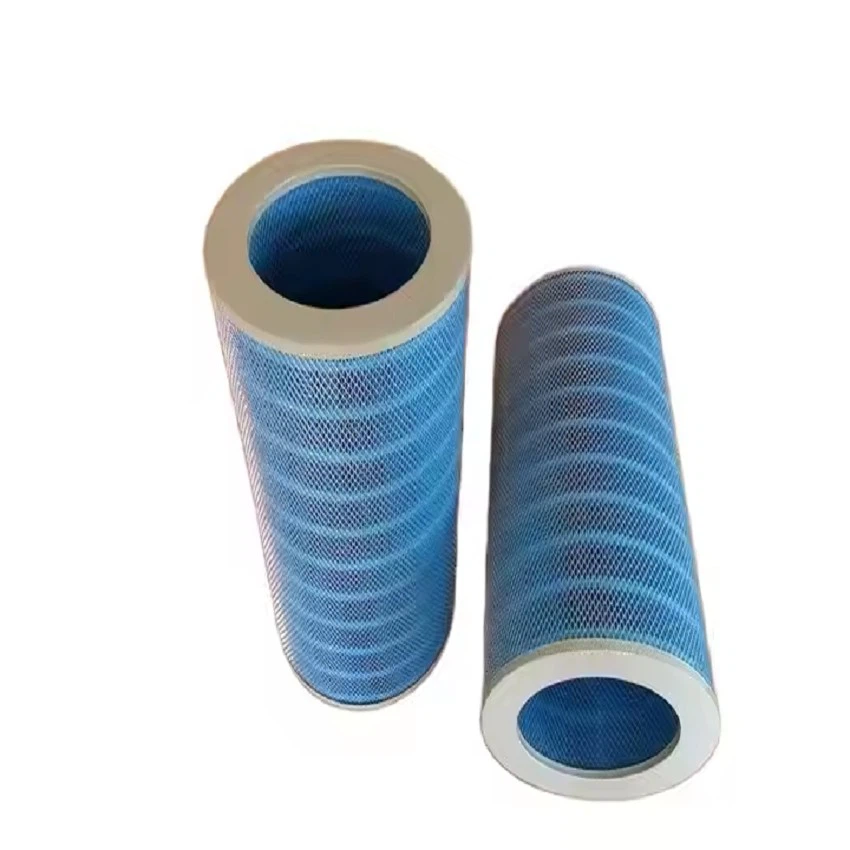
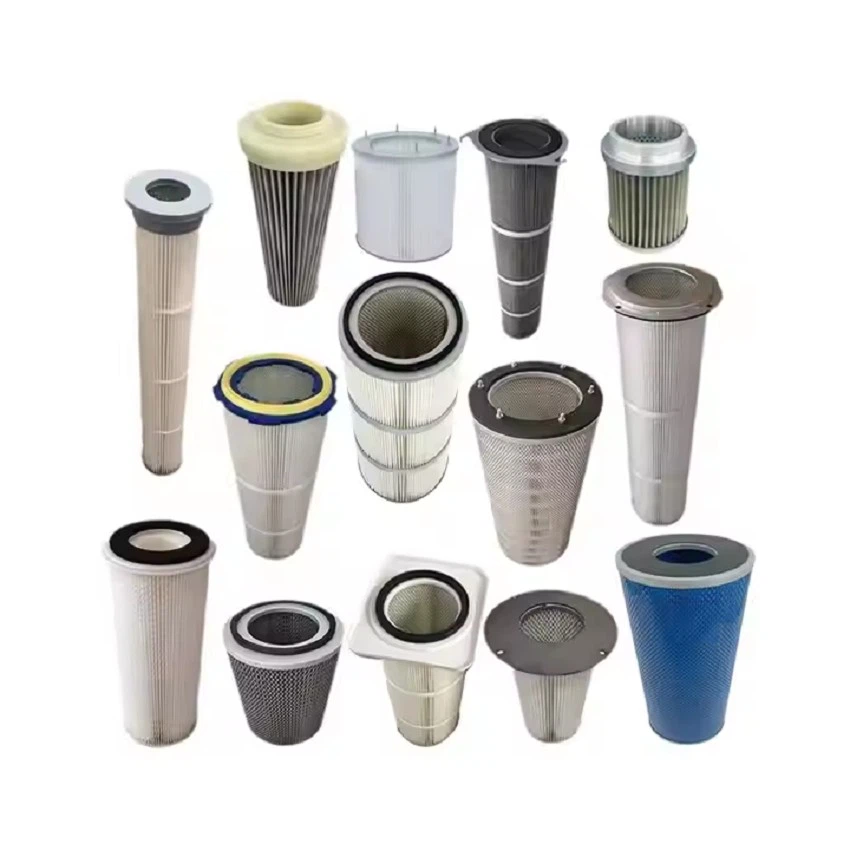
This type of round cartridge filter is commonly used in equipment where filtration is built into the unit itself.
Air Purification Devices
Compact systems where filters must fit into a defined internal structure
Air Scrubber Units
Portable or fixed systems used for localized air cleaning
Indoor Air Treatment Equipment
Systems designed for enclosed spaces where modular replacement is required
👉 In these cases, the filter is part of a device system, not a standalone component.

What Happens When Cartridge Design Is Not Matched Properly
Inconsistent replacement is one of the most common issues.
Typical problems include:
•air leakage around the cartridge
•uneven airflow inside the unit
•reduced effectiveness despite correct installation
•noise or vibration changes after replacement
How Buyers Usually Select Replacement Cartridges
Instead of comparing general specifications, buyers typically confirm:
•outer dimensions (diameter and height)
•internal support structure
•sealing method
•compatibility with existing equipment
👉 The process is closer to component matching than traditional filter selection.
Installation Perspective
From a practical point of view, installation is usually straightforward, but alignment and seating accuracy play a much bigger role than expected.
In compact cartridge-based systems, the filter is installed within a defined housing where space tolerance is limited. Unlike larger panel filters, there is very little room for adjustment once the cartridge is in place.
Key Points During Installation
ensure the cartridge is fully seated against the base or support structure, rather than resting at an angle
check that sealing surfaces are clean and free from deformation before inserting the new unit
align the cartridge with the housing guides or central core to avoid uneven contact
confirm airflow direction based on the equipment design (outside-in or inside-out flow)
Common Installation Issues in Practice
In real applications, most performance problems are not caused by the filter itself, but by small installation deviations such as:
slight misalignment causing gaps around the sealing edge
uneven contact leading to localized air bypass
cartridge not fully inserted, affecting airflow path
rotation or tilt during installation in vertical systems
Why These Details Matter More in Cartridge Systems
Because the system is compact and airflow is guided through a fixed path, even minor deviations can influence how air moves through the filter.
👉 A small gap or misalignment can:
alter the intended airflow distribution
reduce effective filtration area
create localized stress on certain sections of the media
Practical Tip
For consistent performance, installation should be treated as a positioning process rather than simply placing a replacement part.
In many cases, taking a few extra seconds to confirm alignment and seating can prevent issues that are difficult to diagnose later during operation.
👉 Because the system is compact, small installation errors can have a noticeable impact - not immediately, but gradually as the system continues to run.
Packaging & Logistics
Packaging & Logistics
For cartridge-type filters, packaging is not only about protection during transport, but also about maintaining dimensional stability and consistency before installation.
Because these filters are designed to fit into specific equipment housings, even slight deformation can affect installation and sealing performance.
Packaging Approach
individual protection to prevent compression of the cylindrical structure
internal support where necessary to maintain roundness during shipment
separation between units to avoid edge or media damage
moisture-resistant materials for long-distance transport
Why Packaging Matters for Cartridge Filters
Unlike flat filters, cylindrical cartridges rely on their shape to function correctly within the system.
During transport, improper stacking or pressure can lead to:
distortion of the outer diameter
damage to pleated media structure
misalignment between inner core and outer frame
👉 These issues may not be visible immediately, but can affect fit and airflow once installed.

After-Sales Support
Warranty
1-year limited warranty covering material defects .
Technical Assistance
24/7 remote guidance for installation and troubleshooting.
Replacement Programs
Scheduled filter renewal reminders and bulk-order discounts.
FAQ
Q: What is the recommended replacement interval?
A: Every 3,500 operational hours or 6–12 months, depending on particulate load .
Q: Can I request antimicrobial-treated cartridges?
A: Yes, we offer nanofiber-coated variants with 99.9% bacterial inhibition .
Q: How to confirm compatibility with existing systems?
A: Provide equipment model or flange dimensions; we'll customize seals and connectors.
Hot Tags: round hepa filter cartridges, China round hepa filter cartridges manufacturers, suppliers, factory, Activated Carbon Air Filter Cartridge, Air Purifier Cartridge, Cartridge Filter Parts, , dust filter


